


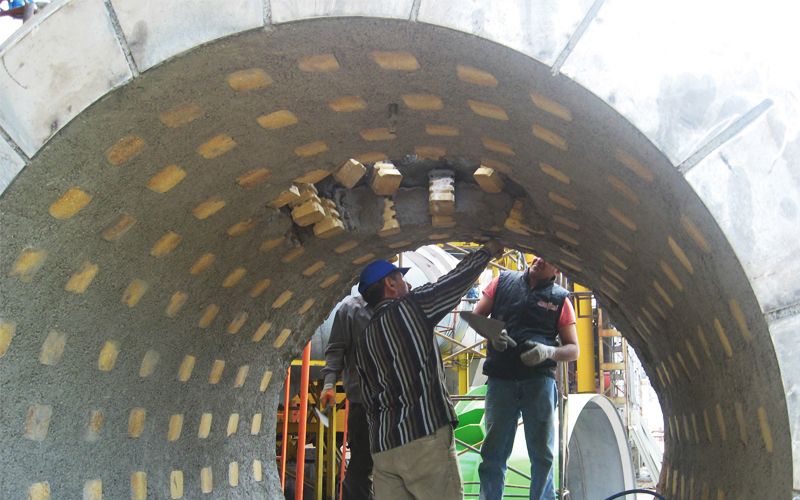
Plastics
They are ready-to-use materials applied by ramming and pressing methods. They find wide applications in industries such as iron and steel, cement, foundries, aluminum, wood, glass, and ceramics.
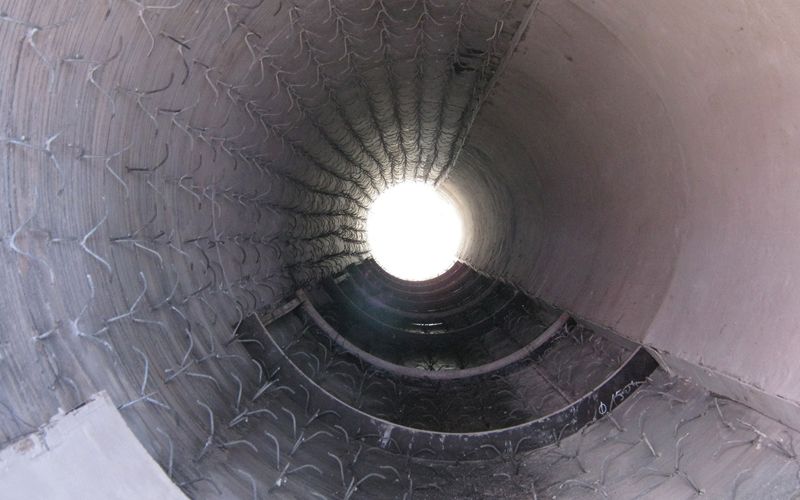
Castables
They are mixed with water at the application site and applied using formwork. They have a wide range of applications in the iron and steel industry, foundries, refineries, the petrochemical industry, power generation plants, and the cement industry.
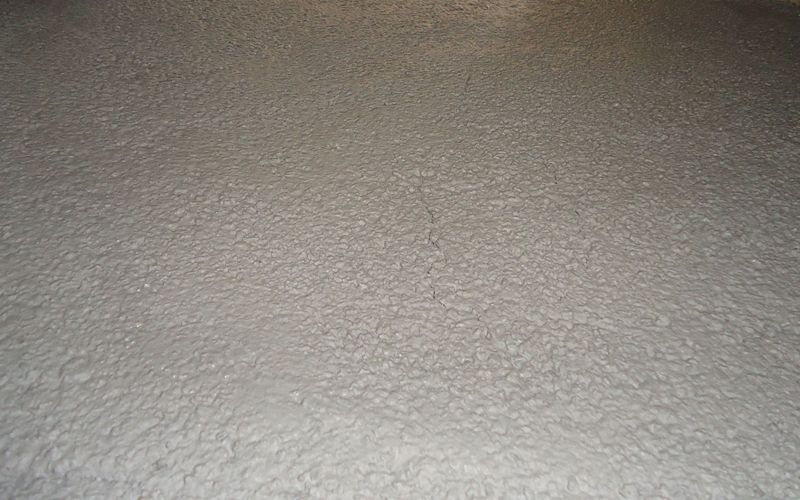
Insulatings
They are produced from low-density raw materials in order to reduce their final density and provide effective insulation. They are used in every industry both as primary refractory materials and as secondary products.
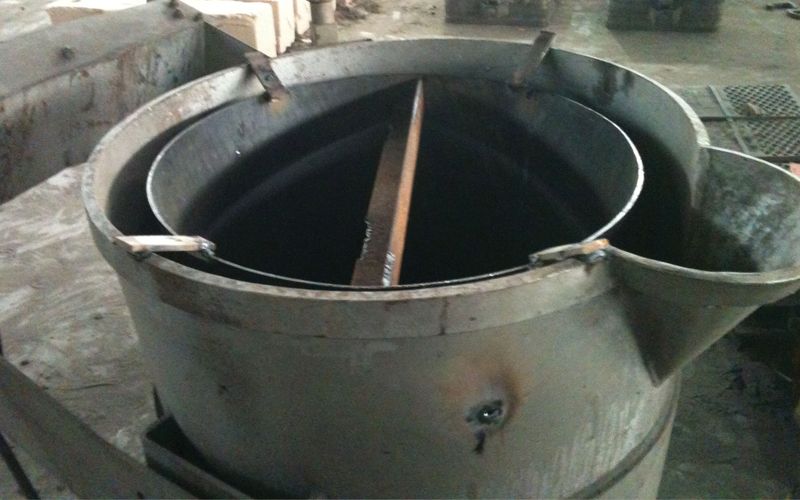
Low Cement Castables
The demand for castables with high resistance to heat, abrasion, and impact has led to the emergence and development of low cement castables, which can be applied using the vibration technique.
Ultra Low Cement Castables
They are refractory materials with high strength, high bulk density, and high cold crushing strength, containing very low amounts of cement. Their abrasion resistance is extremely high.
No Cement Castables
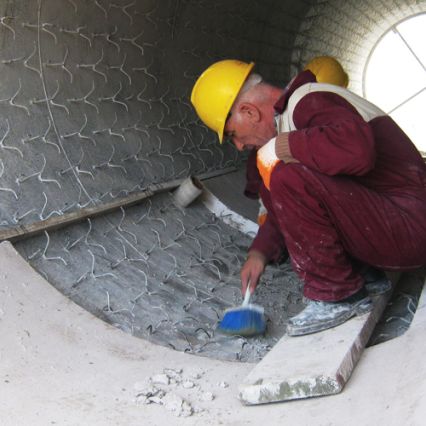
They are cement-free castables bonded with a special binder instead of calcium aluminate cement, and since they do not contain CaO, they do not form strength-reducing phases at high temperatures.
Self-Flowing Castables
Flowable castables are used in areas that are very difficult to reach and control. The most important feature of the material is that it does not require vibration. In ceramic kiln cars…
Gunning Mixes
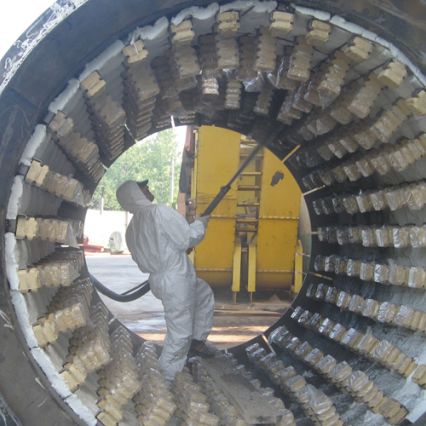
Spray materials are carefully designed to achieve rapid adhesion and low material loss. These products are used in both hot and cold spraying applications…
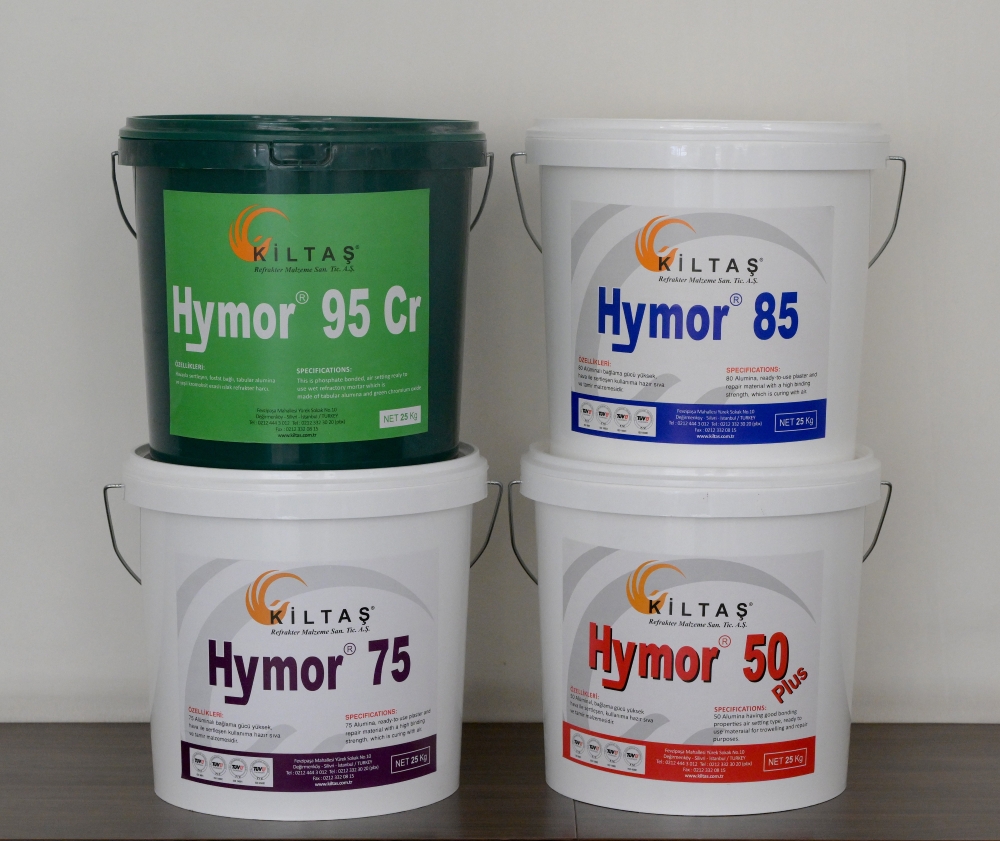
Repair Materials
They can adapt to all types of refractory surfaces. Due to their fast adhesion and ease of application with a trowel, they are used in refractory repairs.
Quartz Based Ramming Mixes
The final stage of lining installation is the sintering of the rammed lining. At this point, clean scrap or metal can be placed into the mold, and the melting process can begin.
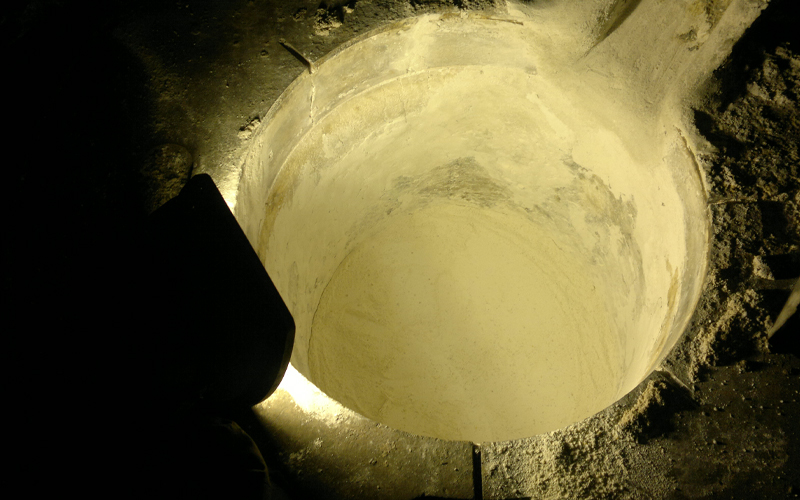
Spinel Based Ramming Mixes
Inspection of the Mortar Before Use and Drying of Wet Mortar: The lining material packaging is opened to check whether it has absorbed moisture. The stable structure of basic refractory materials is compromised if they have absorbed excessive moisture.
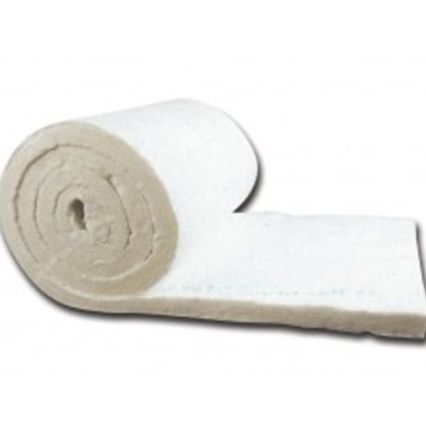
Ceramic and Fiber Materials
A pioneer in its field, Kiltaş continues to expand its product range with new solutions. We have introduced encapsulating paint (inclusion stain) to the market. The most striking feature of our products is their cost-effectiveness, as well as their ability to maintain vivid and bright colors and high quality without deterioration at high temperatures.
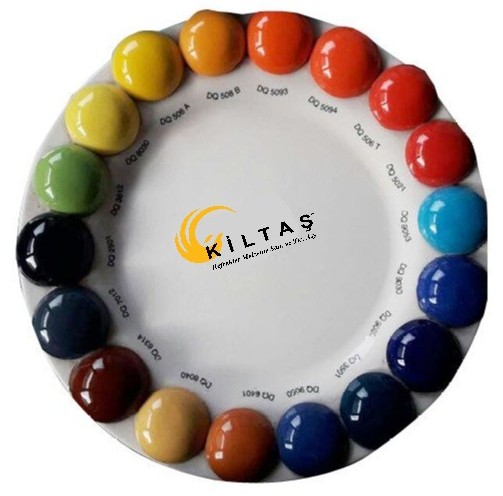
Ceramic Pigments
Kiltaş, a pioneer in its field, continues to expand its product range with new offerings. We have introduced encapsulating paint (inclusion stain) to the market. The most striking features of our products are their cost-effectiveness and their ability to retain vivid, bright colors and high quality without deterioration at high temperatures.
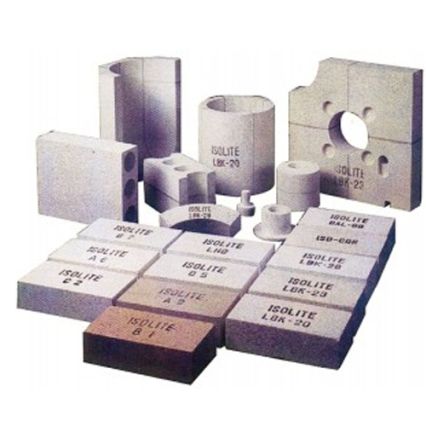
Bricks
Insulating firebricks are special insulating bricks with low thermal conductivity, used for hot face linings of furnaces and kilns as well as for backup insulation applications.